Prenatal diagnostics
The time of expectation – security and clarity through modern prenatal diagnostics, including NIPT + AC
Pregnancy is a very special time in your life – filled with anticipation, but often also with quiet worries and many questions. As your gynecologist, it is my heartfelt desire to provide you and your unborn child with sound medical care and compassionate support during this time. In our practice, we combine the specialties of gynecology, prenatal medicine, and genetics to offer you the highest level of care.
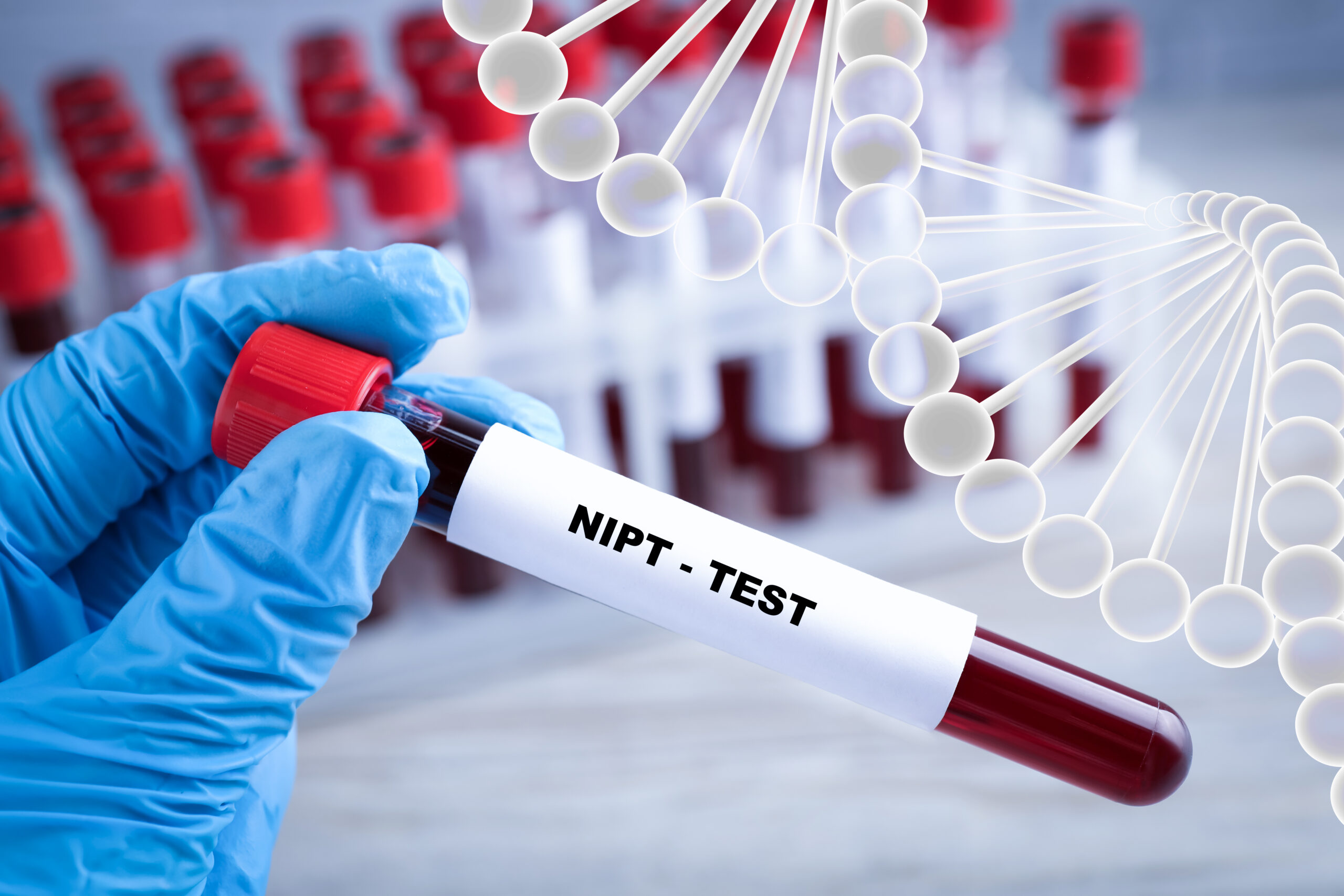
Modern prenatal diagnostics offer us a wide range of possibilities to assess your baby's development early on and to thoroughly investigate any potential health risks. Often, it is the first heartbeat that changes everything and suddenly makes the abstract joy of pregnancy tangible and real. To ensure you can enjoy this special time of anticipation with complete peace of mind, our practice primarily focuses on gentle, non-invasive examinations that, according to current medical standards, pose no risk whatsoever to your unborn child.
Our aim is not simply to convey medical facts. Rather, we want to provide you with the necessary security and guidance for your future through complete transparency, time for your questions, and individual, personal consultation. We want you to be able to make every decision informed and with confidence.
In the following, I would like to introduce you to two essential procedures that can answer different questions and focus on different aspects: the modern non-invasive prenatal screening test (NIPT) and the proven amniocentesis.
Amniocentesis
Amniocentesis may be indicated in cases of abnormal first trimester screening to assess the risk of genetic diseases.
Amniocentesis, also known as amniotic fluid testing, is an established diagnostic method used in specific cases to detect genetic changes or chromosomal abnormalities with a high degree of certainty. The procedure can usually be performed from the 15th week of pregnancy onward and provides us with valuable information about your baby's individual health through the analysis of fetal cells. Because this is an invasive procedure, we place great emphasis on comprehensive counseling and a careful, individualized risk assessment as part of our care. Our goal is to provide you with expert and empathetic support, ensuring you have the necessary reassurance and assistance in making this important decision.

NIPT – non-invasive prenatal test
Safety for mother and child: fetal DNA diagnostics from a maternal blood sample.
Modern prenatal diagnostics make it possible to obtain sound information about your baby's individual development early on and to identify potential health risks at an early stage. Using state-of-the-art procedures such as detailed ultrasound examinations and specialized genetic tests, we can offer you particularly precise and reliable diagnostics in our practice. Our primary goal is to provide you with peace of mind and medical clarity, so that you and your child can be optimally and calmly supported throughout your pregnancy.
Non-invasive prenatal testing (NIPT) also makes it possible to obtain important genetic information about the fetus – such as the presence of trisomies 13, 18, and 21 – from a simple blood sample taken from the pregnant woman using cell-free fetal DNA. These innovative tests are completely free of risk of miscarriage compared to invasive methods such as amniocentesis or chorionic villus sampling and offer expectant parents a painless way to detect potential issues early.
FAQ - "Frequently Asked Questions""
What all is done during prenatal diagnostics?
-
- First trimester screening: Combination of ultrasound (nuchal translucency measurement) and blood tests.
- Detailed diagnostics / organ screening: Detailed ultrasound assessment of the child's organs and heart.
- Non-invasive prenatal testing (NIPT): Determining genetic risks via a simple blood sample from the mother.
When is prenatal diagnosis useful?
- Desire for additional security
- Advanced maternal age: Because the likelihood of chromosomal changes increases slightly with age.
- Family history / Abnormalities in basic ultrasound
- Previous complicated pregnancies: For reassurance and close monitoring after previous miscarriages or pregnancies with health challenges.
 German