Preeclampsia and SIH
Pregnancy-associated hypertension and other regulatory disorders during pregnancy require special attention.
Preeclampsia and pregnancy-induced hypertension (PIH)
Preeclampsia and pregnancy-induced hypertension (PIH) are among the more common complications that can occur during pregnancy. These conditions pose a serious risk to both the expectant mother and the unborn child, as they can significantly impair the health of both.
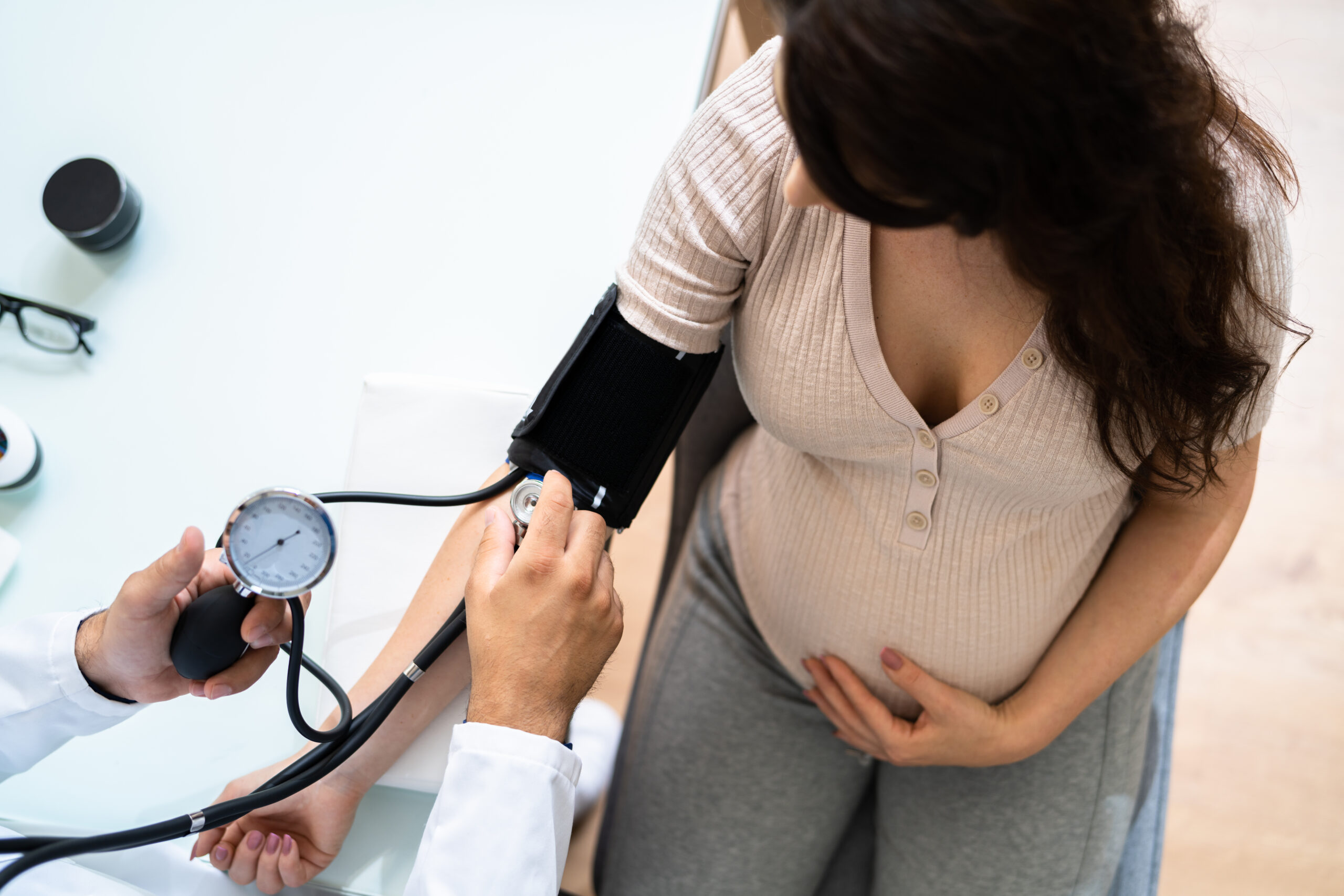
Preeclampsia and high blood pressure during pregnancy: Safe prenatal care
The health of mother and child is our top priority. An important aspect of prenatal care is the early detection of hypertensive disorders, such as preeclampsia (often referred to as "pregnancy-induced hypertension") and pregnancy-induced hypertension (PIH).
When and how does preeclampsia occur?
Preeclampsia or SIH can manifest at very different times: Most often, the first signs appear after the 34th week of pregnancy, but development in early pregnancy or even in the postpartum period is also possible. Statistically, about 4% of all pregnancies are affected.
Because the disease can affect various organ systems, the symptoms are often very diverse. The following are of particular interest:
- The kidneys and the liver
- The heart-lung system
- The brain and blood clotting
- The function of the placenta and therefore the supply of nutrients to your child.
Warning signs: What should you look out for?
The course of the illness ranges from mild symptoms to severe forms. It is important that you pay close attention to your body. Typical warning signs can include:
- Elevated blood pressure (systematically measured during preventive care appointments)
- Severe fluid retention (edema), especially in the hands, feet or face
- Protein excretion in urine
- New symptoms such as severe headaches, visual disturbances (e.g., flickering before the eyes) or pain in the right upper abdomen.
Early detection is the best protection.
Although severe cases are rare, they are associated with an increased risk of complications. Therefore, in our practice, we place great emphasis on comprehensive and thorough preventative care. Modern diagnostic methods often allow us to identify risk factors at an early stage.
Should you be diagnosed with a risk factor or illness, we will immediately initiate individually tailored treatment measures. We work closely with experienced midwives and specialized clinics to guarantee the greatest possible safety for you and your baby.
We are here for you
Early diagnosis is key to effectively preventing long-term consequences. If you have any questions, concerns, or notice any changes in your body, please don't hesitate to contact us.
We will accompany you competently, sensitively and with watchful eyes throughout your pregnancy – so that you can enjoy this special time as carefree as possible.
Typical symptoms of preeclampsia and SIH
-
-
- Elevated blood pressure (from 140/90 mmHg)
- Protein in the urine (proteinuria)
- Fluid retention (edema), especially in the hands, feet and face
- Headaches that do not respond to usual painkillers
- Visual disturbances (e.g., blurred vision, flashes of light)
- Pain in the upper abdomen, often under the right rib cage
- Nausea and vomiting
- Sudden weight gain due to fluid retention
- Reduced urine output
- General malaise and weakness
- In severe cases: seizures, altered states of consciousness
-
Symptoms of pregnancy-induced hypertension (PIH)
-
-
- Elevated blood pressure (from 140/90 mmHg)
- Usually no other noticeable symptoms.
- If it persists for a longer period: possible development of symptoms similar to preeclampsia.
-
While SIH is usually limited to elevated blood pressure, preeclampsia can affect various organ systems and lead to serious complications. Regular monitoring is therefore particularly important.
Midwife tip: Your check-ups – Small routine, big security
„"Especially in the last trimester of pregnancy, going to the doctor's office can become tiring. As your belly grows, constantly having your blood pressure checked and your urine tested often feels like a chore. But these little routine checks are your most important safety net! They're the early warning system for you and your baby. Try to see these appointments not as annoying obligations, but as conscious breaks for your health. Your body is doing incredible things right now – and these checkups ensure that you both arrive safely."“

Further information, including from a midwife's perspective, can be found here. here.
 German