Diving and altitude medicine
Diving suitability
For many years, we have been conducting diving fitness examinations in accordance with GTÜM recommendations. Our current certification is valid until 2028. The examination includes a medical history, physical examination, otoscopy, lung function test, and resting ECG. Depending on age or as needed, further tests will be performed. After the examination, you will receive a medical certificate confirming your fitness for recreational diving. Billing is based on the German fee schedule for physicians (GOÄ).
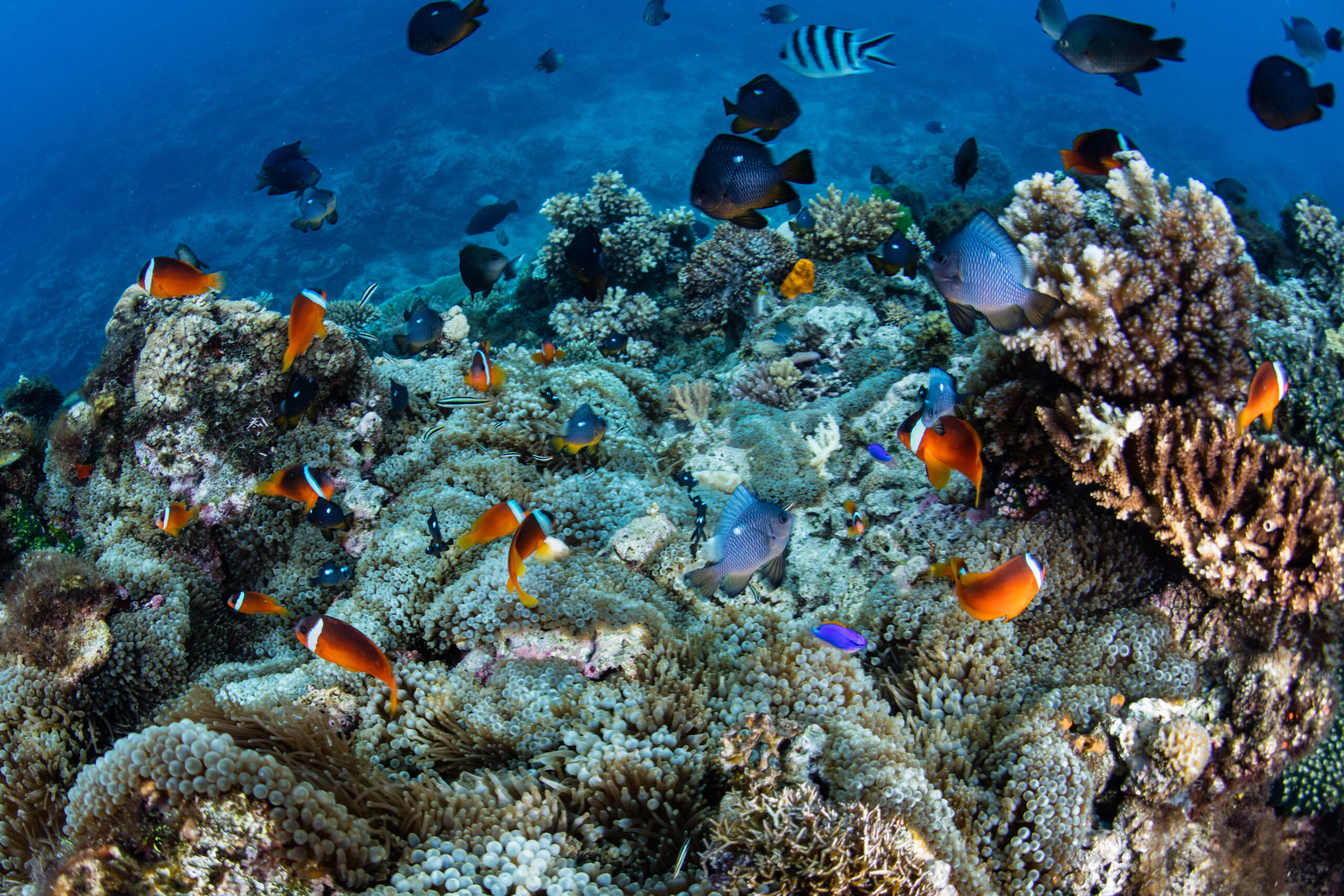
Diving medical examination
- Detailed medical history, i.e. medical history (past complaints and illnesses taking diving into account)
- Detailed physical examination (general condition, skin, eyes, nose, ears, musculoskeletal system, etc.)
- Special examinations, e.g. of the eardrums (otoscopy), lung function diagnostics, ECG or stress ECG
Very rarely, from a medical point of view, diving must be completely discouraged.
Diving suitability of children and adolescents
The examinations are based on the recommendations of the GTÜM (German Technical Inspection Association) and the Society for Pediatric Sports Medicine (GPS), Children's Diving Working Group. The aim is to identify potential health risks.
Examination intervals
The GTÜM recommends the following intervals for the diving examination:
- Every three years between the ages of 18 and 39
- Annually until the age of 18
- Every 12 months from the age of 40
- Different intervals in consultation with the examiner
High-altitude medicine
Altitude medical advice
Whether it's a trekking adventure in the Andes, a cultural tour of the Inca sites, or a business trip to high-altitude metropolises like La Paz, Cusco, and Lake Titicaca in South America, or even Kilimanjaro – altitude places special demands on your body. To ensure you enjoy your trip in good health and return safely, specialized altitude medicine consultation is essential.
Why a special consultation?
Altitude medicine is more than just traditional travel medicine. At higher altitudes, oxygen pressure decreases, putting a strain on the body. This affects not only extreme athletes but every traveler. As a certified expert, I can help you minimize risks such as altitude sickness and optimally prepare your health for your travel destination.
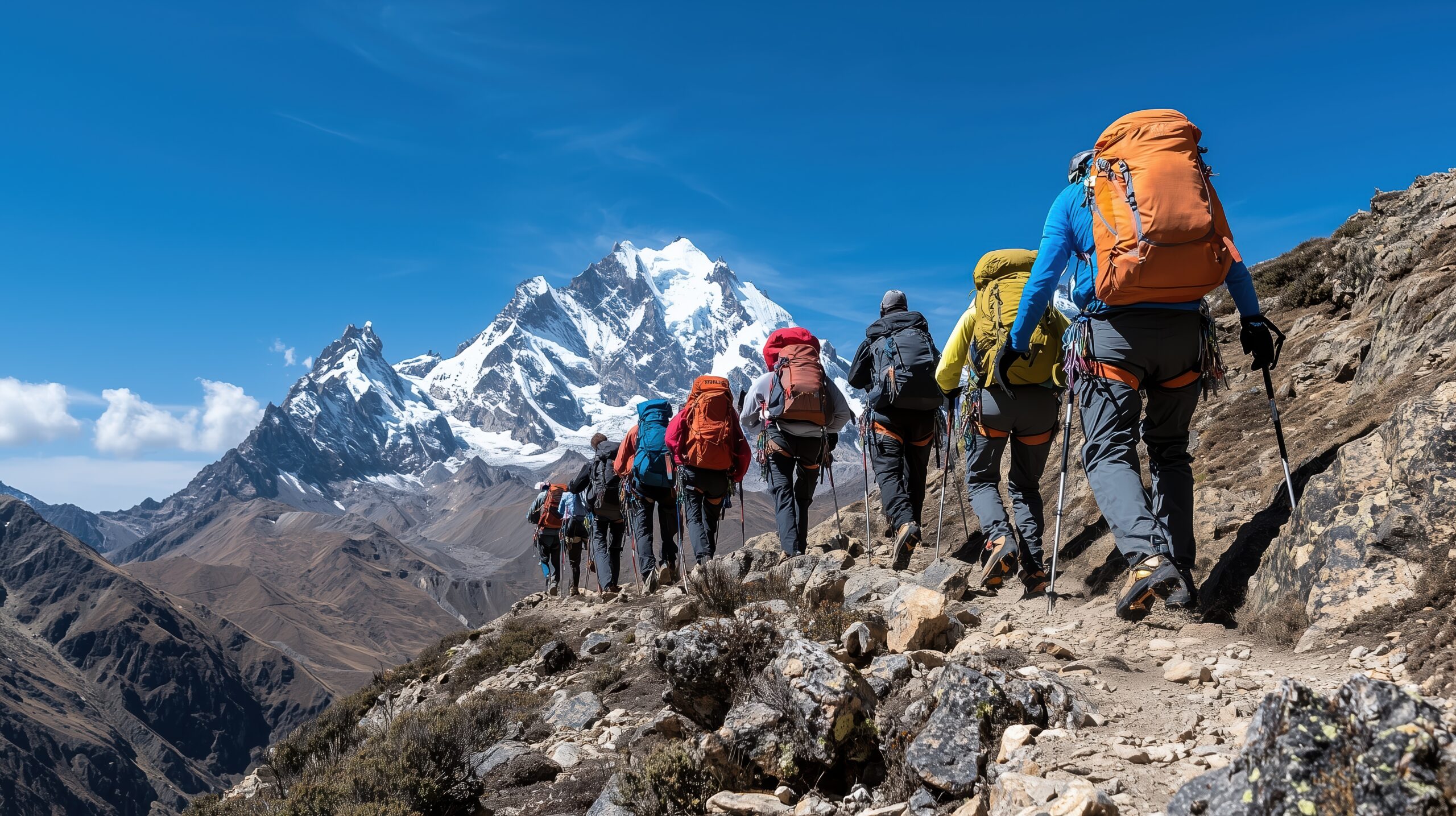
Overview of altitude levels
Did you know that the body starts to react at altitudes as low as 1,500 meters? Depending on the destination, different preparation requirements apply:
-
-
- Medium altitude (1,500m – 3,500m): Healthy people usually adapt quickly, however, acute mountain sickness (AMS) is a risk if the ascent is too rapid.
- High altitude (3,500m – 5,300m): Proper acclimatization is absolutely essential here – even for fit athletes. There is a risk of life-threatening illnesses (pulmonary or cerebral edema).
- Extreme altitude (> 5,300m): Full acclimatization is no longer possible here; professional medical preparation is vital.
-
Our services for you:
Sound advice requires time and expertise. To best prepare you, we offer the following in our practice:
Individual risk analysis: Comparison of your health status with the profile of your trip.
Targeted diagnostics: Examination of the heart and lungs to determine stress limits.
Prevention strategies: Advice on proper acclimatization and behavior in emergencies.
Medication advice: preventative care and emergency pharmacy for the area.
Plan ahead! For comprehensive diagnostics and preparation, we recommend scheduling your appointment several weeks before your trip.
South America (Andean region)
- Machu Picchu (Peru): At approximately 2,430 m, the Inca site is lower than Cusco, but is often part of a round trip that leads over significantly higher passes.
- Arequipa & Colca Canyon (Peru): The canyon is one of the deepest in the world; viewpoints are often above 4,000 m.
- Quito (Ecuador): The capital city lies at an altitude of approximately 2,850 m and is a frequent destination for business travelers and tourists.
- Bogotá (Colombia): At approximately 2,640 m, another metropolis where the thinner air is noticeable.
Asia (Himalayas & Central Asia)
- Lhasa (Tibet): The city is located at approximately 3,650 m and is a classic example of the need for acclimatization.
- Leh (India/Ladakh): A popular destination for trekking tourists at about 3,500 m.
- Base Camp (Everest / Annapurna): Here, travelers reach altitudes of over 5,000 m (High to Extreme Altitude).
Africa
- Kilimanjaro (Tanzania): At 5,895 m, the ascent is an enormous physical challenge for many hikers, which can be life-threatening without preparation.
- Addis Ababa (Ethiopia): One of the highest capital cities in the world at approximately 2,355 m.
North America
- Colorado (USA): Cities like Denver (the „Mile High City“ at 1,600 m) or ski resorts like Aspen and Vail (up to over 3,000 m) are destinations for business people and winter sports enthusiasts.
- Mexico City: The megacity lies at an altitude of approximately 2,240 m, which can be relevant for travelers with pre-existing medical conditions.
External sources: Diving and altitude medicine

High altitude travel and altitude-related illnesses (travel advice from the Federal Foreign Office)
 German