Gestational diabetes
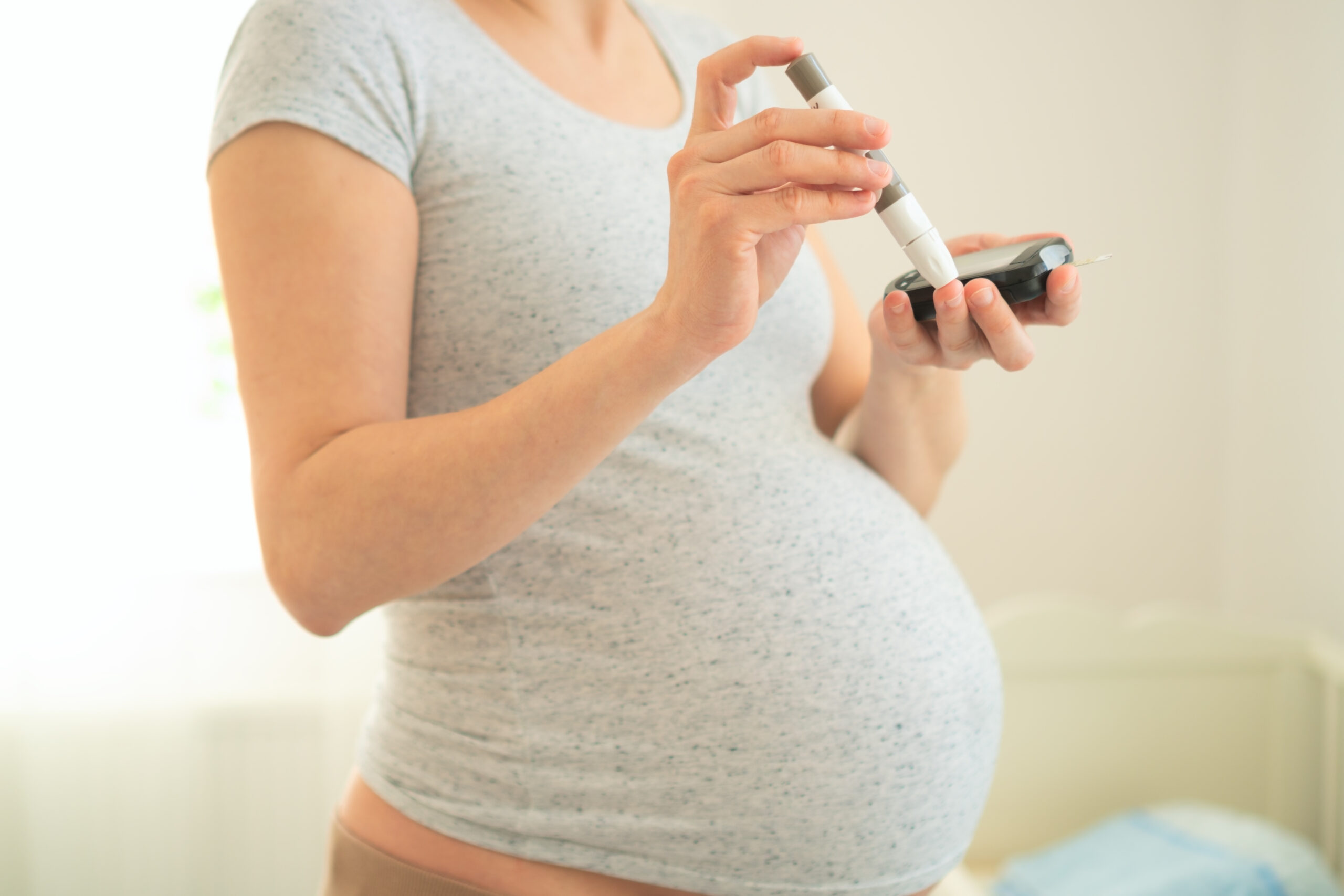
Up to 51% of all pregnant women develop gestational diabetes during pregnancy.
Gestational diabetes often presents with nonspecific symptoms. If not detected early and treated effectively, serious complications, including metabolic disorders, can occur in both mother and child. High blood pressure, infections of the urogenital tract, and preeclampsia (prenatal poisoning) are common. Untreated gestational diabetes usually leads to increased birth weight, which can pose problems for both mother and child during delivery. The rate of cesarean sections increases. Furthermore, organ maturation, particularly of the fetal lungs, is delayed, which can lead to respiratory problems and infections after birth. Disrupted placental development is another potential risk. Malnutrition of the fetus, premature birth, or even death of the fetus in utero can all result.
Gestational diabetes is treated in collaboration with a diabetologist. Initially, blood sugar is controlled through dietary changes. If this is not sufficient, insulin injections should be used to lower blood sugar. The German Diabetes Society recommends an oral glucose tolerance test between the 24th and 28th weeks of pregnancy.
In cases with an increased risk of developing gestational diabetes, this test should be performed in the first trimester and, if necessary, repeated in the third trimester, e.g. in cases of gestational diabetes, fetal weight over 4000g or stillbirth from a previous pregnancy.
Symptoms and signs
- glucosuria (sugar in the urine)
- Repeated vaginal infections
- Frequent urinary tract infections
- weakness
- fatigue
- Increased thirst
- Pollakiuria (frequent urination)
- Unusual weight gain in pregnant women
- Increased amniotic fluid volume
- Inappropriate weight and size gain of the unborn child (macrosomia)
Oral glucose tolerance test
To detect gestational diabetes early, medical societies recommend a standardized blood glucose test, the so-called oral glucose tolerance test (OGTT). This is usually performed between the 24th and 28th weeks of pregnancy and serves to identify metabolic disorders at an early stage. Untreated gestational diabetes can pose health risks for both the mother and the unborn child. With timely diagnosis and targeted treatment, these risks can be significantly reduced in most cases.
OGTT with 50 g glucose – screening test
The 50-g OGTT is a simple preliminary test performed as part of routine prenatal care. Fasting is not required for this test.
Process:
They drink a glucose solution containing 50 g of dextrose.
A single blood glucose test is performed one hour later.
This test serves solely as a screening tool, meaning it indicates whether gestational diabetes is suspected. If the result is normal, no further action is necessary. Elevated results require further investigation.
OGTT with 75 g glucose – diagnostic test
If the screening test is abnormal or if there is already an increased risk of gestational diabetes, the 75-g OGTT is performed. This test serves for a reliable diagnosis and must be performed on an empty stomach.
Process:
First, a fasting blood glucose test is performed.
Then you drink a glucose solution containing 75 g of dextrose.
Blood sugar levels are measured again after 1 hour and after 2 hours.
These three measurements can reliably determine whether gestational diabetes is present.
Should the test results indicate gestational diabetes, we will promptly initiate individualized treatment. This will be carried out in close collaboration with a diabetologist and typically includes:
- Nutritional advice
- regular self-monitoring of blood glucose
- possibly drug therapy
With consistent care, pregnancy and childbirth can proceed without complications in most cases. We will support you competently and sensitively throughout the entire examination and treatment process and are always available to answer any questions you may have about the oral glucose tolerance test (OGTT) and gestational diabetes.


Previously known diabetes mellitus
Pre-existing diabetes mellitus refers to a pre-existing diabetes condition diagnosed before pregnancy. This is either type 1 or type 2 diabetes. Careful monitoring and treatment are crucial to prevent complications for mother and child and ensure a healthy pregnancy. Care is provided by your diabetologist and us.
Through close monitoring, including special ultrasound examinations and blood tests, we ensure that both your blood sugar levels and your baby's development are optimally monitored.
We know how complex and challenging pregnancy can be with a history of diabetes. That's why our experienced team is here to support you with compassion and expertise. Together, we want to help you experience a healthy and positive pregnancy.
 German