back pain
Ortho Status
Back pain is one of the most common pain syndromes of our time. Its causes are manifold. Increasingly, this also affects younger patients whose pain is often not taken seriously due to a lack of conventional medical findings. Here, we offer comprehensive diagnostics and therapy, if necessary involving other specialists. Chronic back pain is a burden in many ways. We provide effective support through our specialized pain therapy.
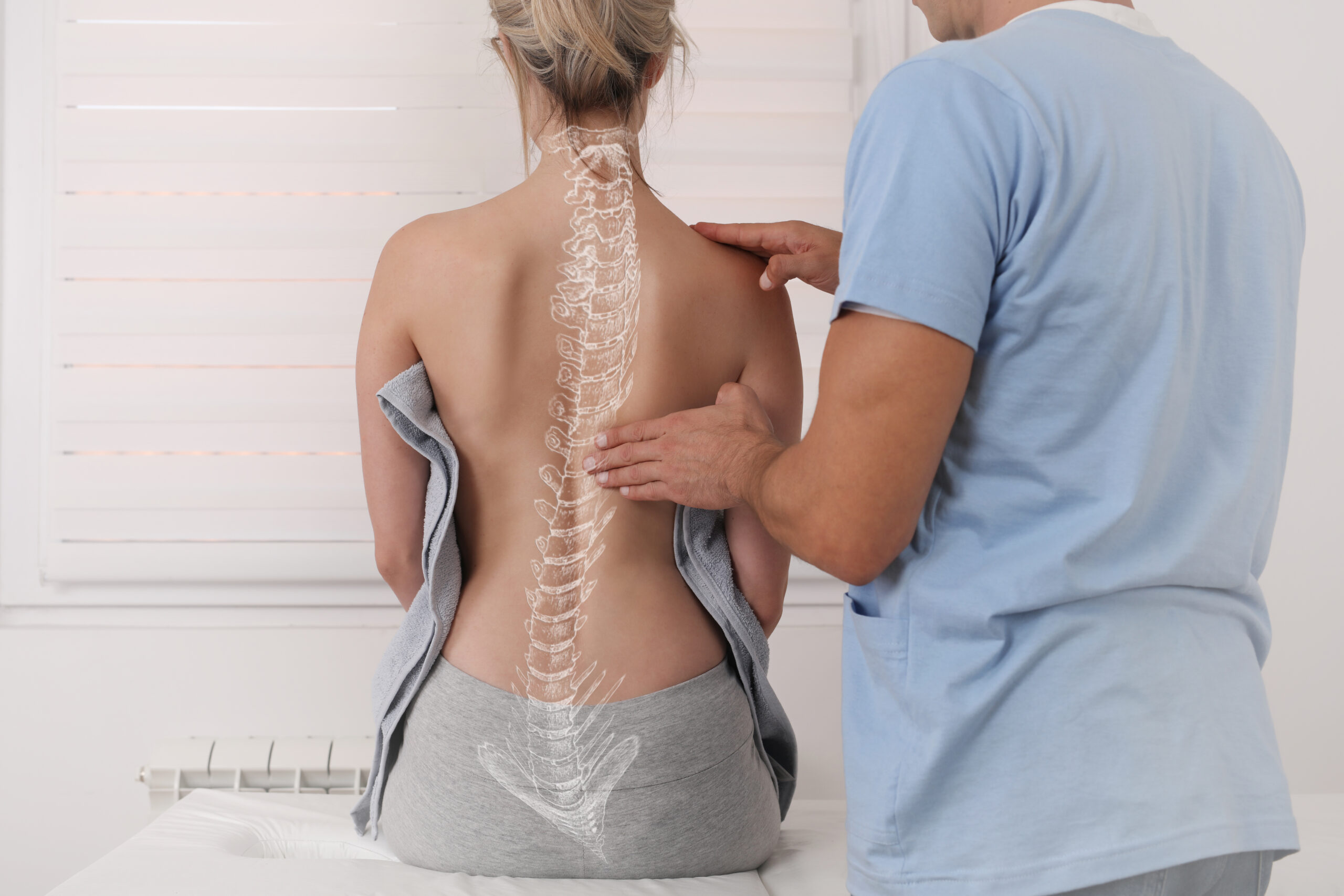
Diagnostics for back pain
The ortho-status is a comprehensive and standardized examination of the entire musculoskeletal system. The aim of this examination is to systematically assess the condition of bones, joints, muscles, and ligaments and to identify potential disorders or misalignments at an early stage. The ortho-status is particularly useful for patients with chronic back, chest, or urogenital pain and forms an important basis for further diagnostics and treatment planning.
The examination assesses various aspects of the musculoskeletal system, including posture, mobility, muscle strength, coordination, and any misalignments such as pelvic obliquity or scoliosis. Both static and dynamic tests are performed to obtain the most comprehensive picture possible of the patient's initial physical condition. This allows for the targeted detection of not only acute complaints but also chronic and complex pain syndromes.
The application of the Ortho-Status is particularly important in certain conditions such as pelvic obliquity, scoliosis, or chronic pelvic pain syndrome. The latter often manifests as persistent pain in the pelvic area, which can also occur during sexual intercourse or everyday movements. This examination helps to better identify the causes of these symptoms and treat them effectively.
Back pain that has persisted for more than twelve weeks is considered chronic. Studies show that approximately seven percent of the population is affected and is treated for long-term, painful changes in the back. Degenerative changes (wear and tear), usually in the spine or intervertebral discs, are considered the main cause of chronic back pain. Other causes include the supporting and moving elements of the back, i.e., muscles, tendons, and ligaments.
The causes are often a lack of exercise, poor posture, and excessive strain. Many therapeutic approaches address these issues: Targeted exercises and physiotherapy with back and posture training are established conservative treatment options. Weight loss for those who are overweight, back-friendly footwear, and suitable mattresses also contribute to alleviating symptoms. However, differential diagnosis should also be considered. Occasionally, it is not the back that is causing the problem, but other neighboring organs mimic back pain. Common examples include the kidneys (colic), the lower abdomen (e.g., in cases of fallopian tube or ovarian inflammation), the pancreas (inflammation), or the gallbladder (inflammation, colic).
Intercostal neuralgia is a painful condition in which the nerves running between the ribs—the so-called intercostal nerves—become irritated, compressed, or injured. This often manifests as severe, stabbing, or burning pain in the chest area, running along the ribs and sometimes radiating into the back. Many sufferers initially perceive the discomfort as tension or spasms in the intercostal muscles. However, the pain can also increase significantly during periods of rest or with certain movements, such as deep breathing, laughing, or coughing, and can considerably impair quality of life.
Our practice specializes in the careful diagnosis and individualized treatment of intercostal neuralgia. Through a detailed consultation and thorough examination, we will work with you to determine the causes of your symptoms. Thanks to state-of-the-art diagnostic procedures, we can precisely locate the affected nerves and create a customized treatment plan for you.
Treatment in our practice encompasses a broad spectrum of measures. Initially, medication is usually the primary focus, aiming for rapid pain relief. In addition, we utilize physiotherapy to help release muscle tension and restore chest mobility. In particularly persistent cases, targeted injections or minimally invasive procedures may be employed to specifically relieve irritated nerves and achieve lasting pain reduction.
Our primary goal is to alleviate your symptoms and noticeably improve your quality of life. We want you to be able to enjoy your everyday life again, carefree and pain-free. Trust in our experienced and dedicated team, who will support you with comprehensive expertise, state-of-the-art technology, and great empathy. We will accompany you on your path to recovery – competently, individually, and holistically.
Our interdisciplinary medical practice specializes in the diagnosis and treatment of sacroiliac joint blockages. This dysfunction of the sacroiliac joint, which connects the spine to the pelvis, can lead to lower back pain and limitations in the lower back. Furthermore, sacroiliac joint blockages can also cause gynecological problems such as pain during intercourse (dyspareunia). We place great importance on identifying your symptoms through precise diagnostics and then providing you with the best possible treatment. Our experienced team works closely together to ensure you receive optimal care.
As an experienced team of gynecologists and pain therapists, we offer professional treatment for complaints caused or aggravated by symphysis pubis loosening and pelvic ring instability. This particularly includes pelvic pain during and after pregnancy. In addition, we offer individually tailored medication and minimally invasive procedures as part of our specialized pain therapy to effectively relieve your pain and improve your quality of life.
This means you can enjoy everyday life pain-free again.

Further information and Patient information on self-help can be found here..

Multimodal pain therapy and cognitive behavioral therapy for chronic back pain. Further information can be found here..
 German