Hormones and PCOS
Hormones in balance –
Your health is our focus
Hormones are the invisible directors of our bodies. As chemical messengers, they control almost every vital process in our organism. Hormones play a particularly central role in a woman's life, accompanying us through all phases: from the first changes of puberty, through the fertile years, pregnancy and breastfeeding, to the profound changes of menopause.
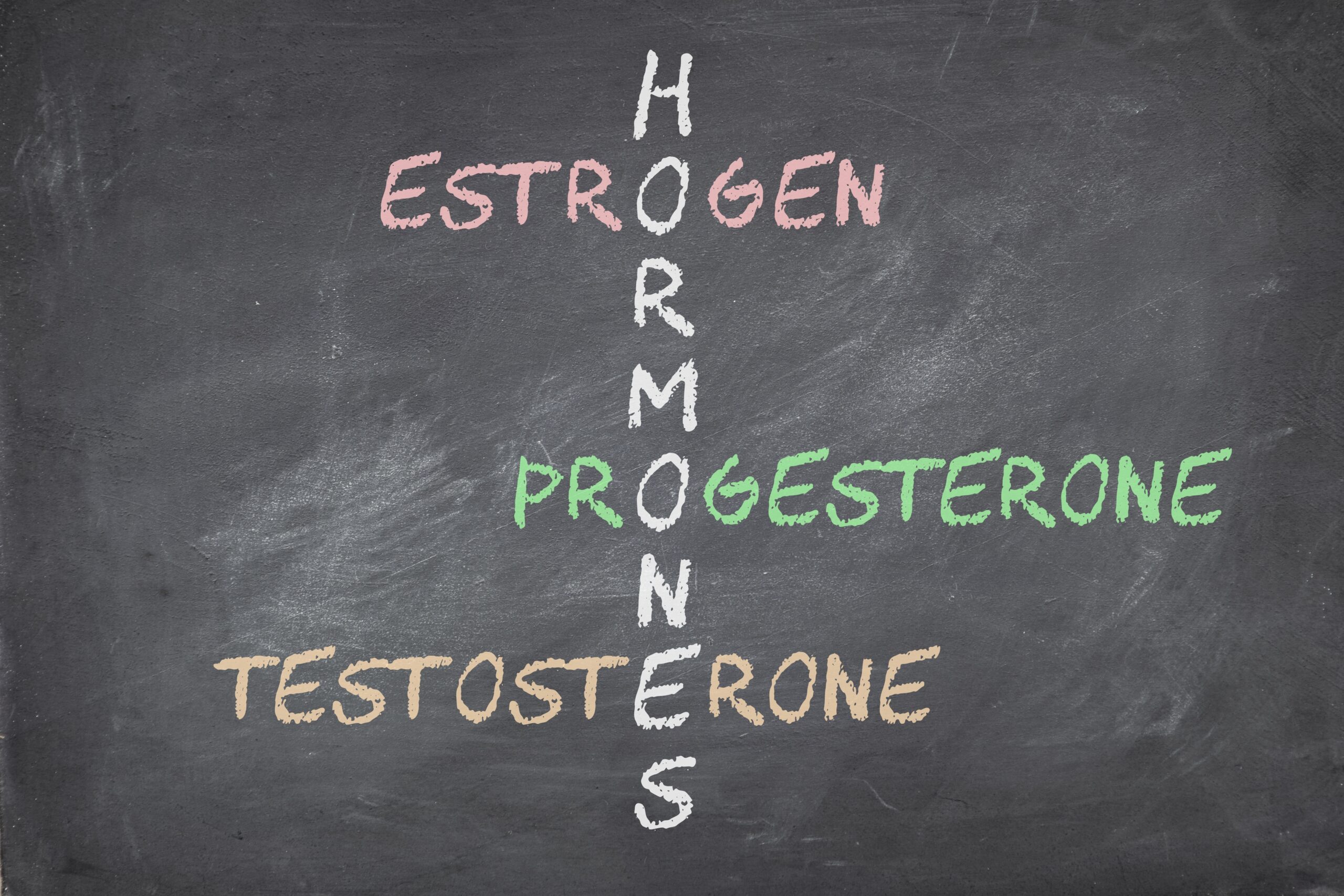
A properly functioning hormonal system provides us with energy, mental stability, and physical well-being. However, this system is highly sensitive. Even the slightest imbalances in these neurotransmitters can cause a wide range of symptoms that are often difficult to diagnose and can be very stressful both physically and emotionally.
In our gynecology practice, we specialize in not only identifying hormonal imbalances such as hormones and polycystic ovary syndrome (PCOS), but also treating them holistically. We know that symptoms like fatigue, skin changes, or mood swings often have a hormonal origin. Our goal is to work with you to find the cause.
We provide professional support to help you overcome a variety of challenges so that your hormones are in balance.

Menstrual cycle disorder
Whether it's irregular cycles, a particularly heavy period, or the painful absence of menstruation (amenorrhea) – we get to the bottom of the causes.
Understanding the body's rhythm – the female cycle is a finely tuned interplay of various hormones and an important indicator of a woman's overall health. Nevertheless, many women experience deviations from the norm throughout their lives. Menstrual disorders, such as irregular cycles, excessively heavy or painful bleeding, and the sudden absence of menstruation (amenorrhea), are not uncommon. However, they can have a variety of causes and significantly impact daily quality of life, performance, and emotional well-being.
Polycystic ovary syndrome (PCOS)
Polycystic ovary syndrome, or PCOS, is one of the most common hormonal disorders in women of childbearing age. It is estimated that approximately 5 to 10 percent of all women are affected.
Despite its prevalence, this condition is often still little known to the public, leading to uncertainty and a prolonged period of suffering for many affected women. In our gynecological practice, we place great emphasis on providing thorough information and support that extends far beyond mere diagnosis.
Although PCOS has been researched for a long time, its exact cause remains unclear. However, scientists believe it is not due to a single cause, but rather a complex interplay of genetic factors and various biological mechanisms.
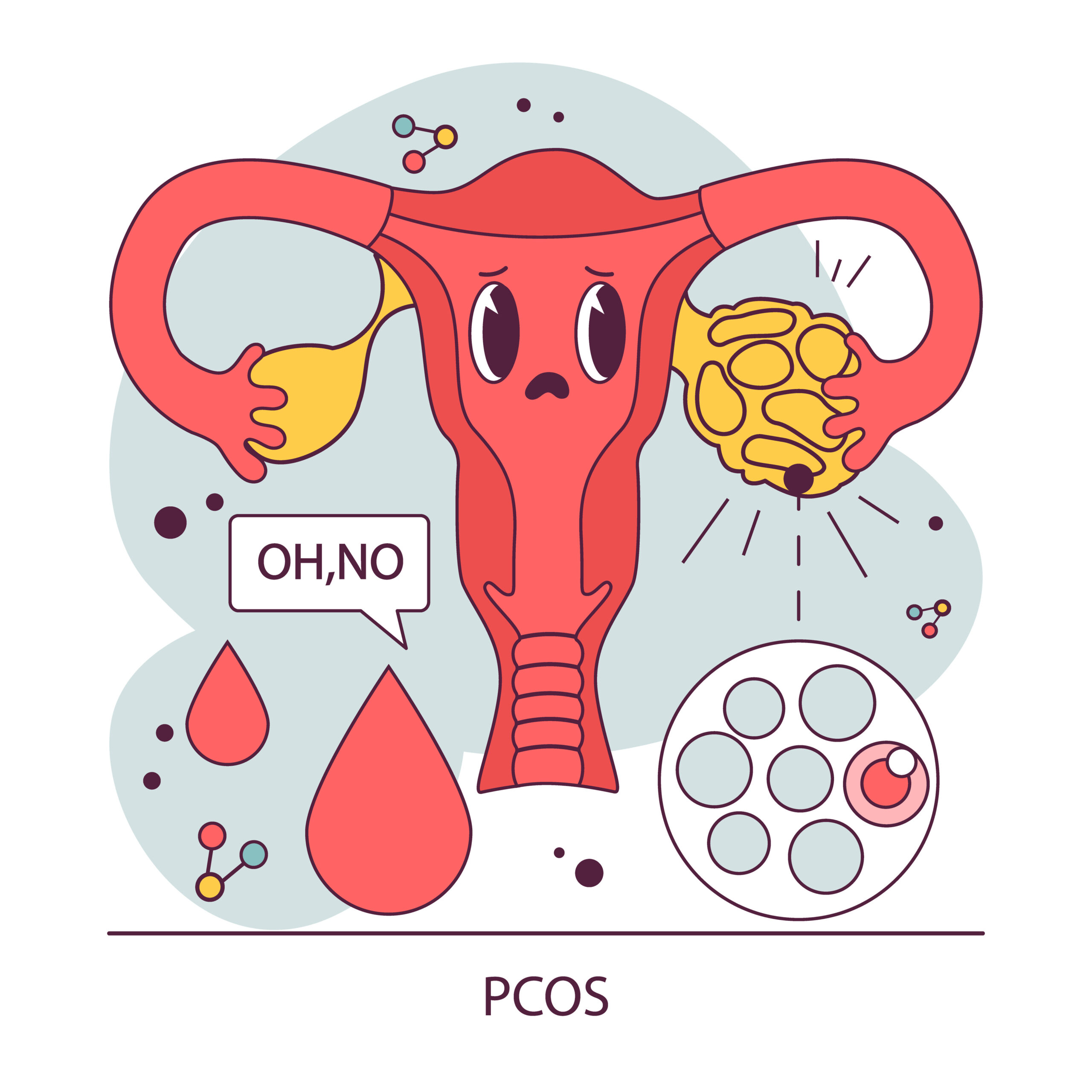
A key characteristic of PCOS is a hormonal imbalance. This leads to impaired ovarian function. Instead of an egg maturing and being released each month, many small, immature follicles (often mistakenly called "cysts") accumulate on the edges of the ovaries.
A crucial factor in the development of these symptoms is metabolism. There is often a direct link to impaired insulin metabolism (insulin resistance). When body cells become less responsive to insulin, the pancreas produces more of this hormone. High insulin levels in the blood, in turn, stimulate the ovaries to produce excessive amounts of male hormones (androgens). This excess is the primary cause of many of the typical symptoms.
The consequences of this hormonal imbalance vary greatly from person to person and can significantly impair the quality of life of affected women. The most common symptoms include:
- Menstrual cycle disorders: Irregular menstrual cycles or the complete absence of menstruation are often the first sign.
- Unfulfilled desire to have children: Infertility can occur due to less frequent or absent ovulation, but this is often easily treatable.
- Skin and hair: An excess of male hormones often leads to acne, increased body hair (hirsutism) in a male pattern, or hormonally induced hair loss on the head.
- Weight problems: Many sufferers struggle with being overweight or have great difficulty losing weight, which is further exacerbated by the disrupted insulin metabolism.
The good news is that while PCOS is a chronic condition, its symptoms can now be treated very effectively. Comprehensive medical care is essential to prevent long-term complications such as type 2 diabetes or cardiovascular disease.
Our therapy concepts are based on several pillars:
- Lifestyle and diet: A tailored diet and targeted weight loss are often the first steps. Even moderate weight loss can lower insulin levels and noticeably stabilize hormone balance.
- Drug therapy: Depending on individual needs, medications can be used to improve sugar metabolism (e.g., Metformin) or to regulate the cycle.
- Hormonal support: For women who do not currently wish to have children, specific hormonal contraceptives (the pill) can help to alleviate the symptoms of masculinization and protect the uterine lining.
- Fertility treatment: If there is a current desire to have children, we use targeted therapies to trigger ovulation.
We will accompany you on this journey with empathy and expertise. Together, we will develop a treatment plan that fits your life and helps you feel comfortable in your body again.
Hormonal balance and cycle health: Our holistic approach
Hormonal balance is the foundation for a woman's physical and mental well-being. However, because our hormonal system is highly sensitive to internal and external influences, menstrual irregularities or hormonal imbalances are rarely attributable to a single factor. In our practice, we take a holistic approach to these complex interactions in order to help you achieve a lasting improvement in your quality of life.
Hormonal imbalances can manifest in a variety of ways – from irregular cycles and painful PMS/PMDD symptoms to infertility. Our targeted diagnostics take all relevant aspects into account:
- Thyroid function: As the engine of metabolism, the thyroid gland directly influences fertility and the menstrual cycle.
- Hormonal control: We investigate the interaction between the brain and ovaries, for example in cases of estrogen dominance or progesterone deficiency.
- Organic causes: Chronic diseases such as polycystic ovary syndrome (PCOS) or endometriosis require specialized and long-term care.
- Lifestyle & Environment: Stress, extreme physical exertion, nutritional deficiencies or medications can also disrupt the hormonal system.
Every woman is unique, which is why we don't offer standard solutions. Our goal is to identify the exact cause of your symptoms. To achieve this, we use modern laboratory technology and ultrasound examinations, but we also place great importance on a thorough personal consultation.
Based on your individual hormone profile, we develop a treatment plan that is precisely tailored to your current life situation. We combine proven conventional medical approaches with holistic methods, such as herbal remedies or lifestyle recommendations.
We see ourselves as your long-term partners, supporting you with empathy and expertise in bringing your body back into balance. Your needs are always our top priority.
Next Steps:
- Anamnesis: Recording of menstrual cycle, unfulfilled desire to have children (sterility), so-called androgenization signs, acne or hair loss) and weight development.
- Physical examination / whole-body status / assessment of metabolic status
- Special ultrasound examination: Visualization of the ovaries using high-resolution transvaginal ultrasound, among other things to determine the presence of polycystic ovaries and as part of therapy follow-up.
- Laboratory diagnostics: Special hormone analysis, thyroid and other metabolic parameters, lipid metabolism, and exclusion of insulin resistance.

The PCOS Self-Help Germany eV. Helps with questions about PCOS syndrome.

PCOS and Diabetes – Support for the DDG German Diabetes Association

Nutrition tips at the Professional Society for Nutritional Therapy and Prevention
 German