Urogenital pain in women
Uro-/genital pain syndromes – Chronic Pelvic Pain Syndrome
Many women suffer from lower abdominal pain for which there is no easy explanation at first glance. It often begins with a pulling, burning, or pressure sensation that simply won't go away. When pelvic pain persists for more than six months, we doctors refer to it as chronic pain. It's especially important to know that urogenital pain syndromes are more common than you might think. They are not a taboo subject, and you are not alone in experiencing these symptoms.
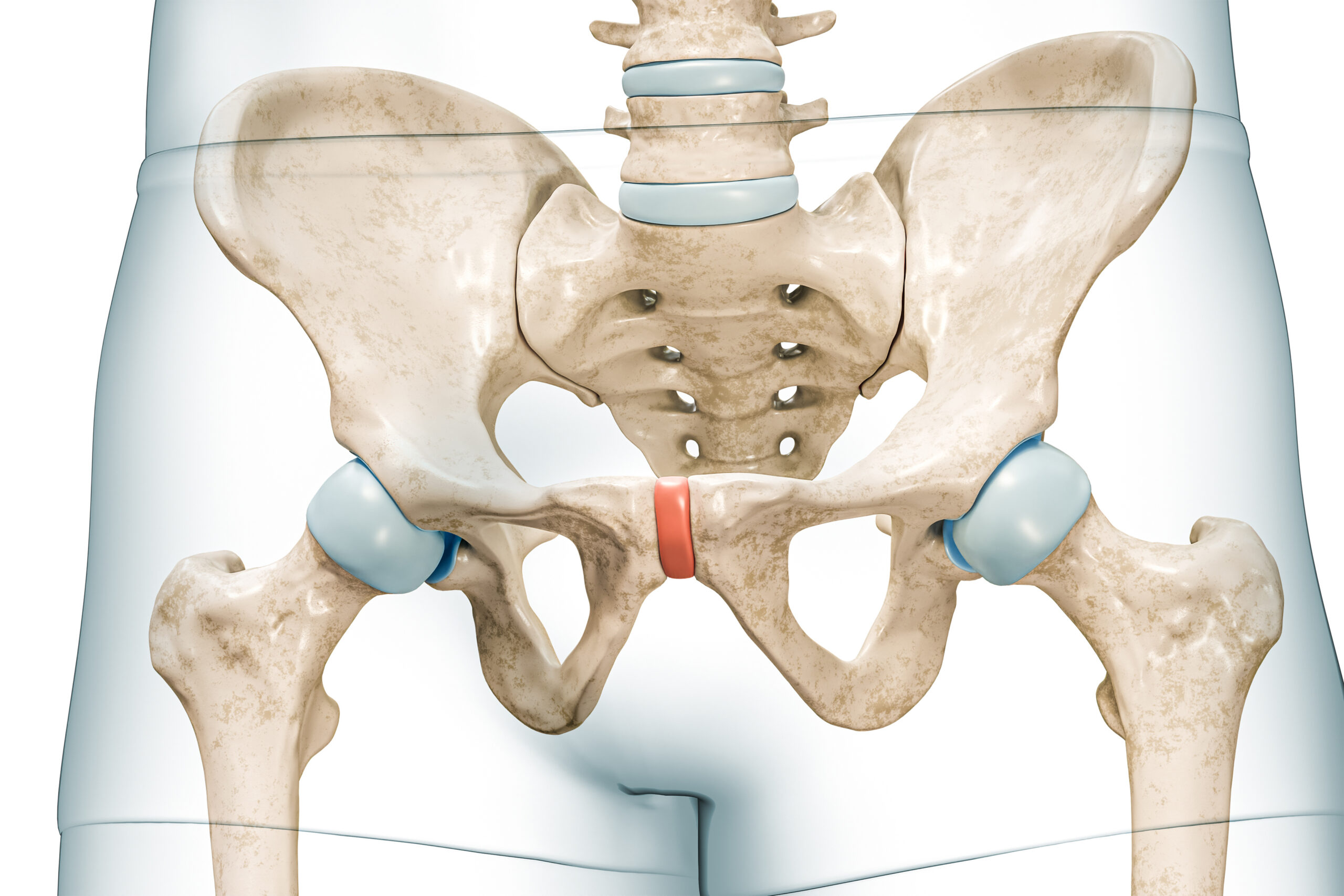
In our gynecological practice, we specialize in supporting women with complex pelvic pain conditions. We understand urogenital pain syndromes not merely as a symptom, but as a distinct medical condition requiring an individualized and holistic approach.
What is chronic pelvic pain syndrome (CPPS)?
Chronic pelvic pain syndrome (CPPS) often presents a challenge for both patients and doctors. A characteristic feature of this syndrome is that conventional diagnostic procedures – such as ruling out an acute vaginal infection or cystitis – fail to identify a clear, organic, "classic" cause.
Nevertheless, the pain is real. It can be pulling, stabbing, or dull, and often radiates to the lower back, groin, or thighs. Because the pelvis is a complex network of nerves, muscles, connective tissue, and organs, the triggers can be varied. Chronic urogenital pain represents a distinct clinical entity in which the body's pain memory often plays a central role.
Our approach: The specialized pain history
Our path to recovery begins with listening. During a thorough initial consultation, we take the time to understand your story. In addition to your general medical history, we focus on your pain history. Together, we'll go into detail:
- Where exactly does the pain occur? Is it localized or widespread?
- How long have you been experiencing these symptoms? Was there a triggering event (e.g., surgery, childbirth, or a stressful period in your life)?
- What does the pain feel like? Is it burning, cramping, or pressing?
- Are there specific pain-inducing factors (such as prolonged sitting, sexual intercourse, or the menstrual cycle), and what relieving factors (heat, movement, relaxation) have you already discovered for yourself?
This information is more valuable to us than any laboratory value, as it gives us clues about the underlying mechanisms.
Thorough diagnostics and exclusion procedures
Following the consultation, a careful and thorough physical examination is conducted. Our aim here is to rule out other possible causes. We examine the pelvic organs, the pelvic floor muscles, and the surrounding structures to ensure that there are no acute inflammations, endometriosis lesions, or structural changes that require other specific treatment.
In our examinations, we not only focus on the organs, but also pay attention to muscular tension and myofascial trigger points in the pelvic area, which are often significantly involved in the development of pain.
Interdisciplinary therapy planning: Working together towards the goal
Urogenital pain syndromes often affect many areas of life, which is why we take an interdisciplinary approach in our practice. This means we look beyond the purely gynecological perspective. We develop the assessment and treatment plan together with you, because you are the expert on your own body.
A modern treatment plan for chronic pelvic pain can include various components:
- Specialized physiotherapy: Targeted pelvic floor training for relaxation (rather than just strengthening) and osteopathy can release blockages.
- Pain therapy: If necessary, medication to calm the overactive pain system.
- Psychosomatic support: Stress management and relaxation techniques (such as progressive muscle relaxation) to reduce the psychological burden caused by chronic pain.
- Nutritional advice: Since the intestines and pelvis are closely connected, an anti-inflammatory diet can often provide relief.
Why you should take the first step
Urogenital pain syndromes often lead to a vicious cycle of anxiety, tension, and increased pain sensitivity. Our goal is to break this cycle together with you. We want to provide you not only with a medical diagnosis, but also with strategies to help you regain your quality of life.
Don't hesitate to openly discuss your symptoms. We offer you a safe space, professional expertise, and a listening ear for your concerns regarding urogenital pain and the well-being of your pelvis.
Treatment options
-
-
- Medical advice (meaning of pain)
- Manual therapy, e.g. physiotherapy
- Systemic drug treatment
- Local therapies, e.g. neural therapy or therapeutic local anesthesia
- Instillations
- Neuromodulation
- acupuncture
- Surgical procedures, e.g. hymenoplasty
-
Physiotherapy
-
-
- Physiotherapy by therapists specially trained in pelvic floor physiotherapy
- Psychological support and motivation of patients
- Regular therapy evaluation and adjustment
- Modern feedback systems
- Behavioral changes
-

Support for urogenital pain syndromes, vulvodynia, vestibulodynia, chronic pelvic pain, CPPS (Chronic Pelvic Pain Syndrome), and pudendal neuralgia can be found at [website/organization name]. Vulvodynia Network.

You can also find helpful information at the
German Pain Society (Deutsche Schmerzgesellschaft eV).
 German