period pain
Pain therapy for dysmenorrhea
Period pain (dysmenorrhea): Ways to a pain-free period
For many women, some discomfort in the lower abdomen during their period is a normal part of life. However, when the pain becomes so severe that it restricts daily activities, reduces performance, or makes social contact impossible, we refer to it as dysmenorrhea. In our practice, we focus on the intersection of modern gynecology and specialized pain therapy to offer you support that goes beyond simply prescribing standard painkillers.
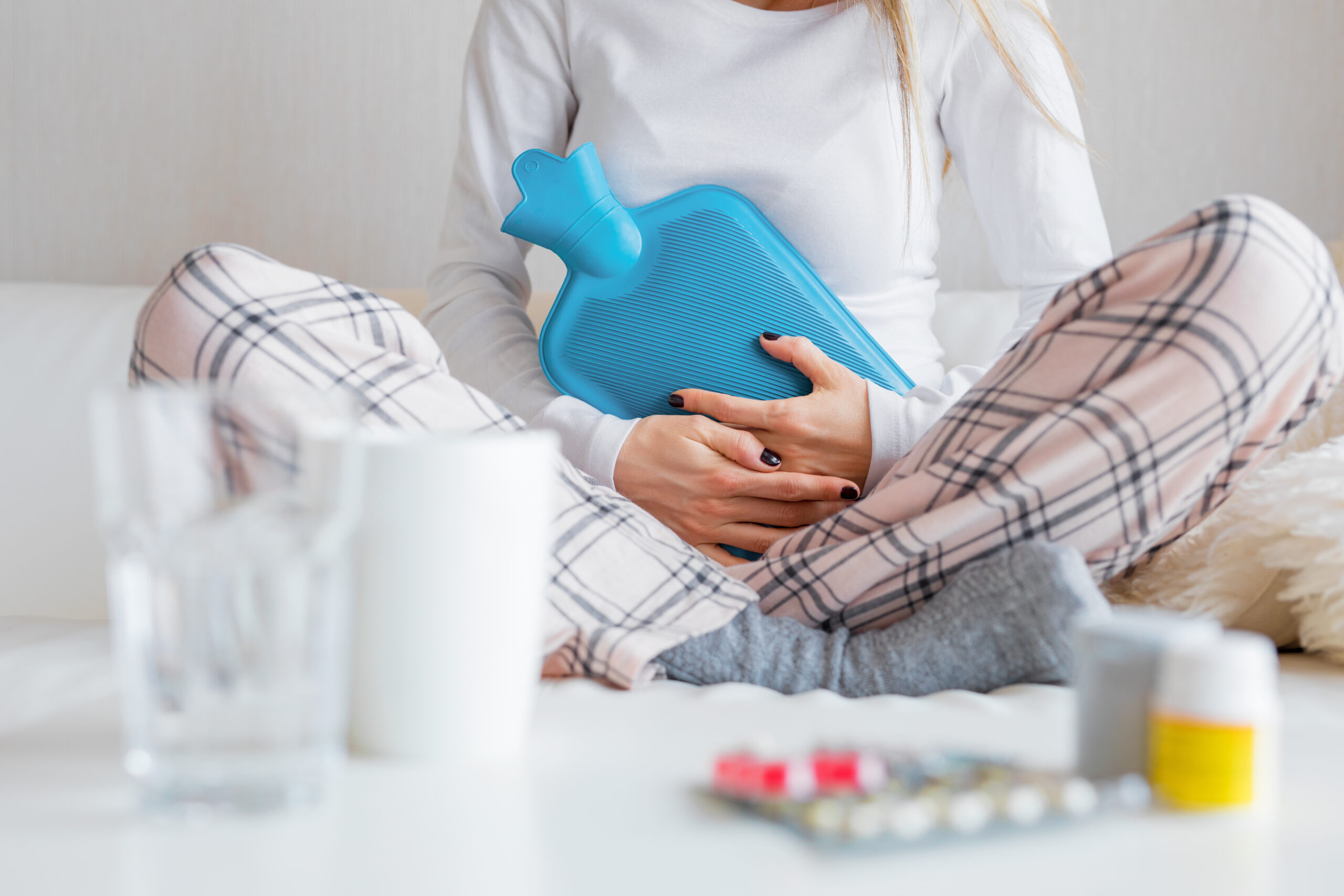
Our goal is to free you from having to organize your days around your schedule. For us, successful treatment means you can plan your appointments, exercise, and enjoy your everyday life – regardless of the calendar.
Why do so many women suffer from period pain?
Period pain is not something you have to accept. Medically, we distinguish between two main forms:
- Primary dysmenorrhea: This usually occurs shortly after the first menstrual period (menarche). It is often caused by an overproduction of prostaglandins – messenger substances that cause the uterine muscles to contract in order to shed the lining. This contraction temporarily reduces blood flow, triggering the typical cramping pain.
- Secondary dysmenorrhea: This is caused by organic factors that usually only become apparent later in life. The most common cause is endometriosis, in which tissue similar to the uterine lining grows outside the uterus. Fibroids (benign tumors) or inflammation can also be triggers.
Our diagnostic approach: Precision meets empathy
To provide you with lasting help, we begin with a precise investigation into the underlying causes. We take the time to understand your story. In a specialized pain assessment, we discuss not only the intensity, but also the quality and frequency of your symptoms.
State-of-the-art technology for clear results:
In our practice, we utilize high-resolution ultrasound (high-end sonography). This technology allows us to visualize even the smallest changes in the uterine wall or ovaries, which often go undetected during standard examinations. This is particularly important for ruling out or confirming adenomyosis (endometriosis in the uterine wall).
In our practice, we utilize high-resolution ultrasound (high-end sonography). This technology allows us to visualize even the smallest changes in the uterine wall or ovaries, which often go undetected during standard examinations. This is particularly important for ruling out or confirming adenomyosis (endometriosis in the uterine wall).
Holistic pain therapy: More than just symptom treatment
Pain is a complex phenomenon. Prolonged menstrual pain can lead to a sensitization of the nervous system – the so-called "pain memory" develops. Therefore, in our interdisciplinary approach, we combine classical gynecology with modern methods of specialized pain therapy.
- Individualized medication strategies
Not every painkiller works the same for every woman. We will develop a regimen for you that is precisely tailored to your cycle. We will also consider hormonal therapy options if they are suitable for your lifestyle and your body.
- Consideration of psychosomatic factors
Body and mind are inextricably linked. Stress at work or in your personal life can significantly intensify pain perception. We consider your life circumstances objectively and support you in identifying stressors and developing coping strategies.
- Physiotherapy and Osteopathy
Chronic menstrual pain often leads to tension throughout the pelvic floor and lower spine. We work closely with specialized physiotherapists to release these blockages and promote blood circulation in the pelvic area.
- Nutritional medicine consultation
Did you know that certain foods can promote or inhibit inflammatory processes in the body? A targeted change in diet – such as reducing arachidonic acid and increasing magnesium and omega-3 fatty acids or green tea extract – can positively influence prostaglandin production.
What you can expect from us:
- Time: We listen to you and take your pain seriously.
- Expertise: With our dual qualifications in gynecology and pain therapy, we offer solutions that think outside the box.
- Interdisciplinarity: If needed, we can connect you with experts in osteopathy, psychology, or specialized surgical centers.
Schedule a consultation
Do you suffer from severe pain, nausea, or fainting spells during your period? Do you feel that previous treatments have not been sufficient?
Don't hesitate. Period pain is treatable. Contact us for a confidential initial consultation. Together we will find the cause and develop your personalized treatment plan for a better quality of life.
Your health and well-being are our top priority.

 German