Infections
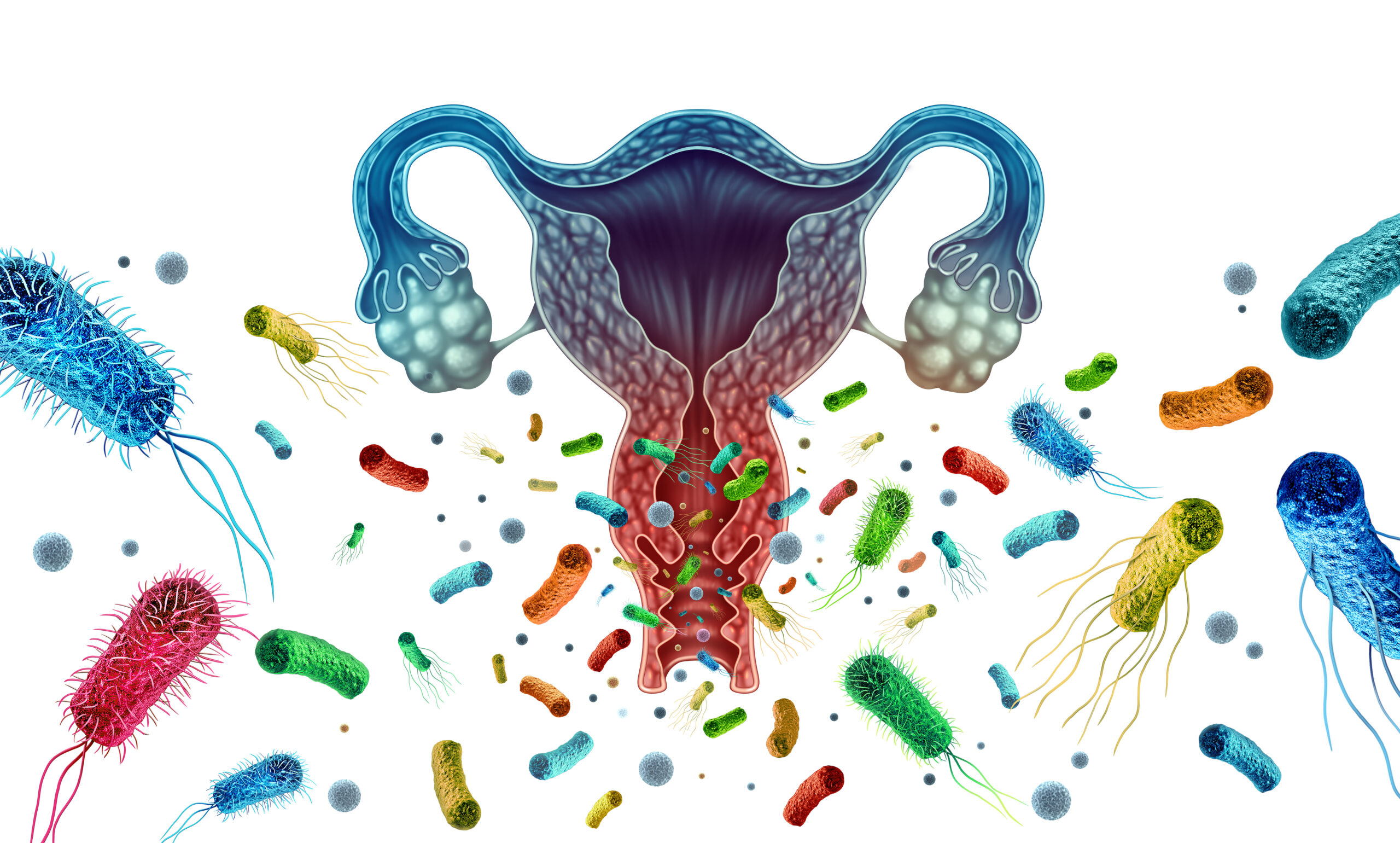
Vaginal infections are caused by bacteria, fungi or viruses.
Bacterial vaginosis is the most common, affecting approximately 5 in 100 women. Vaginal yeast infections, or vaginal mycosis, affect up to 75% of all women at least once in their lifetime.
Treatment is with antifungals for the vaginal yeast infection. Vaginal disinfectants or antibiotics are available for bacterial infections. Lactic acid gels to stabilize the vaginal environment, essential oils in vaginal suppositories or sitz baths, and dietary supplements containing lactic acid bacteria can further protect the vaginal environment or be used regularly for prophylaxis.
Bacterial vagina
Bacterial vaginosis is not a classic inflammation, but rather an imbalance of your natural vaginal flora, in which beneficial lactobacilli are displaced. A typical symptom is a thin, grayish discharge, often with a characteristic fishy odor, while itching is usually secondary. Because this imbalance can spread upwards if left untreated, we can usually restore the balance easily with targeted local therapy.
Vaginal yeast infection / vaginal mycosis
In contrast, vaginal yeast infections are usually caused by yeast fungi (such as Candida albicans) and primarily manifest as very intense, often distressing itching and burning in the genital area. The discharge is typically thick and whitish-clumpy, and the mucous membrane usually appears noticeably reddened and irritated. Because the symptoms can be very unpleasant, we conduct a prompt microscopic examination to provide you with rapid relief through targeted antifungal treatment.
- itching
- Pain and burning
- Redness
- Blistering
- increased discharge
- Swelling of the genital mucosa
- possibly unpleasant smell
Causes
- Hormonal changes / estrogen deficiency
- stress
- Smoke
- Overweight
- Number of sexual partners
- Tight, synthetic underwear
- Foreign body in the vagina
Gynatren vaccination is an established immunotherapy used for recurrent vaginal infections. It strengthens the local immune system in the vaginal mucosa.
Treatment includes antibiotics, herbal medicines, painkillers such as ibuprofen or paracetamol, local disinfectants, plenty of sleep and rest.
Urinary tract infection / cystitis
A urinary tract infection (UTI = urinary tract infection) or cystitis affects 10 out of 100 women at least once a year.
Common symptoms include pain when urinating, frequent urination, and blood in the urine. In cases of an ascending urinary tract infection (UTI) into the renal pelvis, kidney pain and fever are additional common symptoms.
The most common cause is bacterial infections.
A chronic urinary tract infection occurs more than three times a year or more than twice in six months. Symptoms such as frequent urination and a burning sensation during urination often become chronic.

- Frequent urination in small amounts
- Strong-smelling, dark or cloudy urine
- Bloody urine
- Feeling cold
- Sudden urinary incontinence / urine loss
- Abdominal pain
- flank pain
- Anatomy of a woman with a shorter urethra
- Hormonal changes such as menstruation or menopause
- Sexual intercourse / changing sexual partners
- Incontinence
- Cyst formation
- Residual urine in the bladder
To prevent recurrent urinary tract infections, vaccines such as StroVac and Uro-Vaxom can be used to train the immune system to fight off infections.
Treatment includes antibiotics, herbal medicines, painkillers such as ibuprofen or paracetamol, warm sitz baths with chamomile, hot water bottles or electric blankets, plenty of sleep and rest, and conservative measures such as drinking plenty of fluids.

Keep an eye on your intimate health and take the online self-test!
 German