Neural therapy
Therapeutic local anesthesia
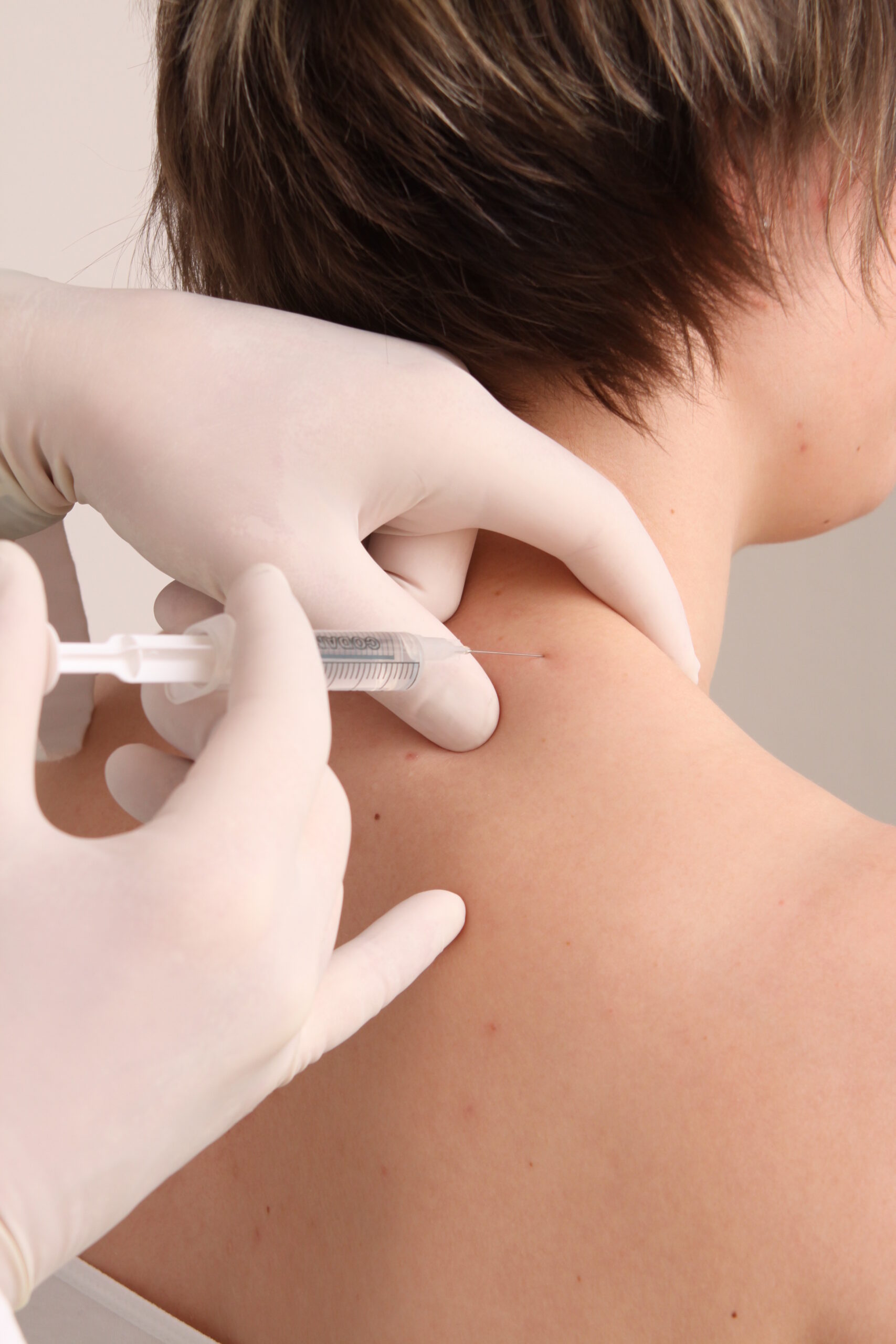
Neural therapy, or therapeutic local anesthesia, offers us an effective and holistic treatment method that we successfully use in an interdisciplinary setting, including in gynecology. Through targeted injections of local anesthetics, we can interrupt disrupted regulatory circuits in the body and thus activate its self-healing powers. Our treatment focuses on alleviating functional disorders such as scar pain after surgery or childbirth, chronic lower abdominal pain, and vulvodynia. Neural therapy is generally well-tolerated and can be individually combined with other therapeutic approaches to sustainably improve our patients' quality of life.
-
-
- Inhibition of inflammatory processes
- Improve blood circulation
- Anti-inflammatory effect
- Promote wound healing
- Reduction of pain, including through peripheral and central inhibition of pain pathways
- Calming the autonomic nervous system
-
-
-
- Vulvodynia (chronic, therapy-resistant pain in the genital area)
- Dysmenorrhea (painful menstrual bleeding)
- Repeated and persistent cystitis with constant pain
- chronic lower abdominal pain
- Pain during sexual intercourse
- chronic back and/or chest pain
- migraine-like headache
- Scar pain after surgery or birth injuries
-
Vulvodynia
Vulvodynia – Chronic pain in the genital area: We can help you
Vulvodynia refers to chronic pain, burning, or discomfort in the vulvar area, the external female genitalia, that persists for more than three months and for which no clear cause can be found. The symptoms can vary greatly in severity: some patients experience a constant burning or stinging sensation, while others suffer from severe discomfort, especially when sitting, exercising, wearing tight clothing, or during sexual intercourse. Often, the pain occurs without any visible changes to the skin, which further complicates diagnosis.
Vulvodynia – a frequently underestimated condition
Many women feel alone with their symptoms or are not taken seriously, as vulvodynia is still little known in the public sphere and even in everyday medical practice. The symptoms can severely impact self-confidence and lead to a significant loss of quality of life. We want to encourage you to talk about your symptoms – you are not alone, and effective help is available.
Our practice – your trusted partner
In our gynecological practice, we take time for you and your concerns. A thorough medical history, a careful physical examination, and, if necessary, further diagnostic measures form the basis for ruling out other causes such as infections, skin diseases, or hormonal changes. It is important to us to work with you to identify the possible triggers and connections of your symptoms.
Individual therapy approaches for your quality of life
Treatment for vulvodynia is always individualized and can include various approaches. These include, for example:
- Special local treatments (e.g. creams or gels)
- Pain therapy and medication support
- Physiotherapy and pelvic floor training
- Advice on everyday aids and changes in habits
- Psychotherapeutic support if emotional stress plays a role
Our goal is to alleviate your pain, improve your quality of life, and provide holistic support on your path to greater well-being. Trust in our experience and empathy – we are here for you, offering competent and discreet guidance.
Lidocaine infusions in pain therapy
Innovative treatment options for chronic pain
What are lidocaine infusions?
Lidocaine is a proven local anesthetic that has been used in medicine for decades. It works by blocking the transmission of pain signals in the nerves, thus providing relief from pain. In pain management, lidocaine infusions are administered intravenously to provide effective and lasting relief to patients with chronic or difficult-to-control pain.
How do lidocaine infusions work?
Lidocaine has a direct effect on pain transmission in the nervous system. Through infusion, it reaches the bloodstream and can have a systemic effect on overstimulated or inflammatory nerves. The infused solution:
-
-
- Reduces nerve hypersensitivity
- Reduces the intensity of chronic pain
- Promotes relaxation of the body
- Improves the quality of life of those affected
-
This method is often used for conditions such as neuropathic pain, fibromyalgia or chronic back pain when conventional treatment approaches are not effective enough.
 German